Advocacy

We aim to create opportunities for education and engagement on issues that have a relevant and significant impact on NAWL members and advance equity within the legal profession and under the law.


Our advocacy work is guided by our advocacy priorities and carried out by four committees: the Advocacy Education & Programming Committee, the Amicus Committee, the Judicial Endorsement and Support Committee, and the Public Policy Committee.

Our Advocacy Priorities

Equal Rights Amendment

NAWL recognizes that ratification of the Equal Rights Amendment (ERA) was proposed in 1923 and passed by Congress in 1972 but remains unratified despite having met the constitutional requirement for ratification. 


On March 6, 2020, NAWL resolved that the ERA is core to our mission and committed to advocate at the federal and state levels to ensure that the ERA is added to the United States Constitution to guarantee equal rights under the law to all citizens regardless of sex and gender status. 

Equity and Justice and Opposing Hate

NAWL recognizes that systemic discrimination has long persisted in the United States and that there is still much work to be done to achieve equity and justice in its own organization, in the legal profession, and in the country overall. 


On October 6, 2020, NAWL adopted a resolution affirming that NAWL stands steadfast in its commitment to foster an inclusive environment where every member is welcomed, respected, and has a seat at the table and committed to actively prioritize racial equity and justice in order to effect change within the legal profession and beyond. 


On January 10, 2025, NAWL updated this resolution to recognize not only racial discrimination but also religious intolerance, generational, ethnic, and all other forms of discrimination. NAWL affirmed its stance firmly against violent or hateful speech and acts and its commitment to actively opposing and combating systematic and structural prejudices.

Gender-Based Violence

NAWL recognizes gender equality cannot be achieved without freedom from genderbased violence and that gender-based violence has been used as a predominant tactic by oppressors and perpetrators of national and international humanitarian crises, and that the effects of gender-based violence during times of humanitarian crises are far-reaching and continual in nature. 


On April 29, 2022 NAWL adopted a resolution committing to advocate to end gender-based violence by supporting survivors seeking justice, supporting those seeking justice for victims and survivors, and advocating for legal and systemic reform efforts aimed to protect individuals from gender-based violence. 

Pay Equity

NAWL recognizes the well-documented gender pay disparity that disadvantages women and further aggravates issues of racial, LGBTQ+, and age discrimination, and acknowledges that increased investments in generalized diversity initiatives have directed much-needed focus to pay equity disparities but have not produced meaningful increases in representation, retention, or pay for women. NAWL has long supported pay

equity through support of equal pay legislation, calls for employers to support an ongoing pay equity pledge, and efforts of the NAWL Research Committee


On November 5, 2021, NAWL resolved to commit to advancing pay equity by continuing its advocacy to ensure that this issue is recognized nationally as one of utmost importance and to identify best practices for employers that have been proven to reduce the effect of such issues on

women’s advancement, achievement, and pay. 

Reproductive Justice

NAWL recognizes that reproductive justice is fundamental for the dignity, equality, health, and well-being of every person, and that women cannot be fully equal under the law—or professionally, as lawyers—without bodily autonomy. NAWL supports the right of all individuals to have their privacy and personal autonomy respected, to freely define, choose, and exercise their own sexuality, to decide whether, when, and whom to marry, and to have access over their lifetimes to the information, resources, services, and support necessary to achieve the above free from discrimination, coercion, exploitation, and violence. 


On September 13, 2021, NAWL made its organizational commitment to reproductive justice under the law clear, intentional, and explicit by adopting a resolution in support of individuals seeking abortions, and committed actively to support, promote, and advocate for reproductive justice and fight for all individuals to get the care they need wherever they may be located. 

Voting Rights

NAWL recognizes the right to vote is the cornerstone of our democracy, the right from which all other rights ultimately flow. Starting with the suffragette movement resulting in the enactment of the 19th Amendment, NAWL has a long history of advocating for voting rights. 


Continuing this proud heritage, on August 27, 2021, NAWL resolved to take action to ensure that the right of every qualified American seeking to participate in our democracy is protected, to support legislation that would expand, restore, and strengthen equal access and protection of the right to vote for eligible voters, and oppose legislation that creates barriers preventing eligible voters from exercising their right to vote. 


Public Policy Committee

This Committee drives NAWL’s work to advance women in the legal profession and under the law by shaping clear policy positions, developing impactful resolutions, and building strategic partnerships.


Through collaboration with a broad network of aligned organizations, NAWL strengthens its expertise and efforts while educating members and the public to advance informed, meaningful change.

Recent Positions and Resolutions
June 30, 2025
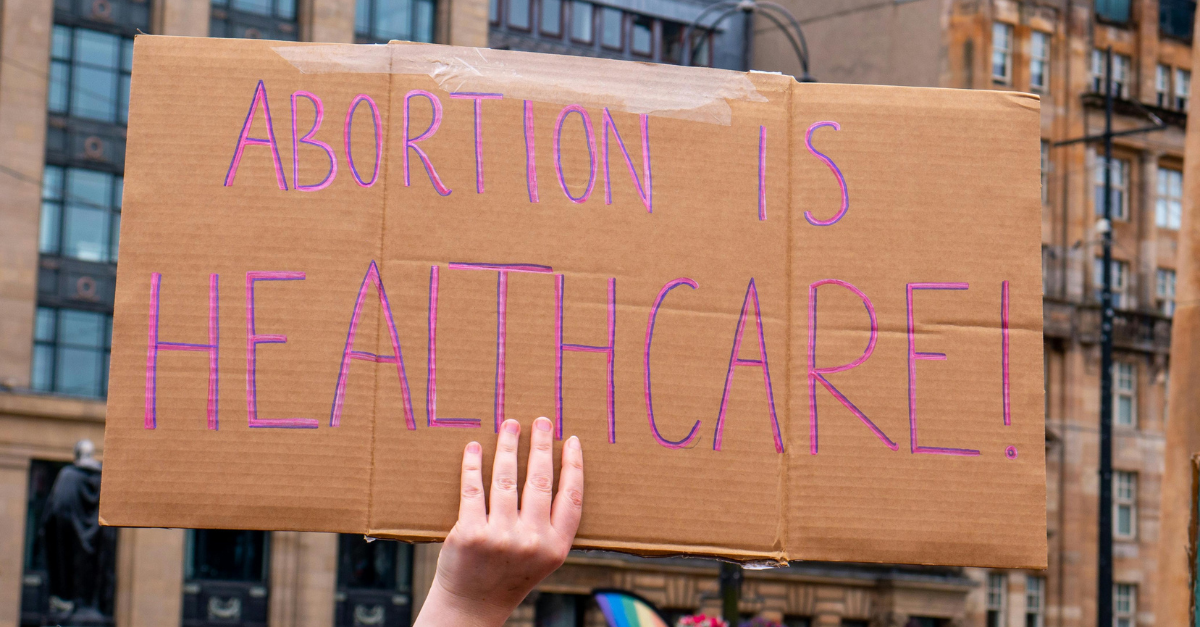
Last week, the United States Supreme Court issued its decision in Medina v. Planned Parenthood South Atlantic , ruling 6–3 that individual Medicaid beneficiaries cannot sue state officials to enforce the “free-choice-of-provider” provision of the Medicaid Act. The Court’s decision could pave the way for states to exclude providers like Planned Parenthood from Medicaid programs, even when doing so limits access to essential reproductive and preventive health care -- and even when the sole basis for doing so is for ideological reasons. This ruling marks a significant setback for reproductive justice and health equity. By narrowing the ability of individuals to challenge state actions that restrict access to care, the Court has further eroded the legal tools available to protect the rights of patients who rely on Medicaid to access fundamental healthcare, including preventative and general care and access to contraception. Marginalized communities will likely be disparately affected. Justice Ketanji Brown Jackson, in a powerful dissent, emphasized the real-world consequences of the majority’s decision: “[T]oday’s decision is likely to result in tangible harm to real people. At a minimum, it will deprive Medicaid recipients in South Carolina of their only meaningful way of enforcing a right that Congress has expressly granted to them. And, more concretely, it will strip those South Carolinians—and countless other Medicaid recipients around the country—of a deeply personal freedom: the ‘ability to decide who treats us at our most vulnerable.’” NAWL is proud to have joined with the Women’s Bar Association of the District of Columbia in filing an amicus brief which underscored the importance of preserving legal avenues for patients to challenge discriminatory and harmful state policies. NAWL stands in solidarity with Planned Parenthood, reproductive rights advocates, and the millions of individuals whose access to care is now at greater risk. We urge our members and allies to continue advocating for a legal system that upholds the rights, health, and dignity of all people—regardless of income, identity, or geography. --- NAWL will continue the conversation at the 2025 Annual Meeting . Hear about this Supreme Court term’s major decisions affecting NAWL’s mission from Arabella Babb Mansfield Award Recipients and co-hosts of the Strict Scrutiny podcast: Leah Litman, Professor of Law at University of Michigan Law School; Melissa Murray, Professor of Law at New York University School of Law; and Kate Shaw, Professor of Law at University of Pennsylvania Carey Law School. Additionally, after a workshop screening of the film Zurawski v Texas , Cici Coquillette from the Center for Reproductive Rights and Cassie Ehrenberg from The Lawyering Project and Abortion Defense Network will specifically discuss the Medina decision.
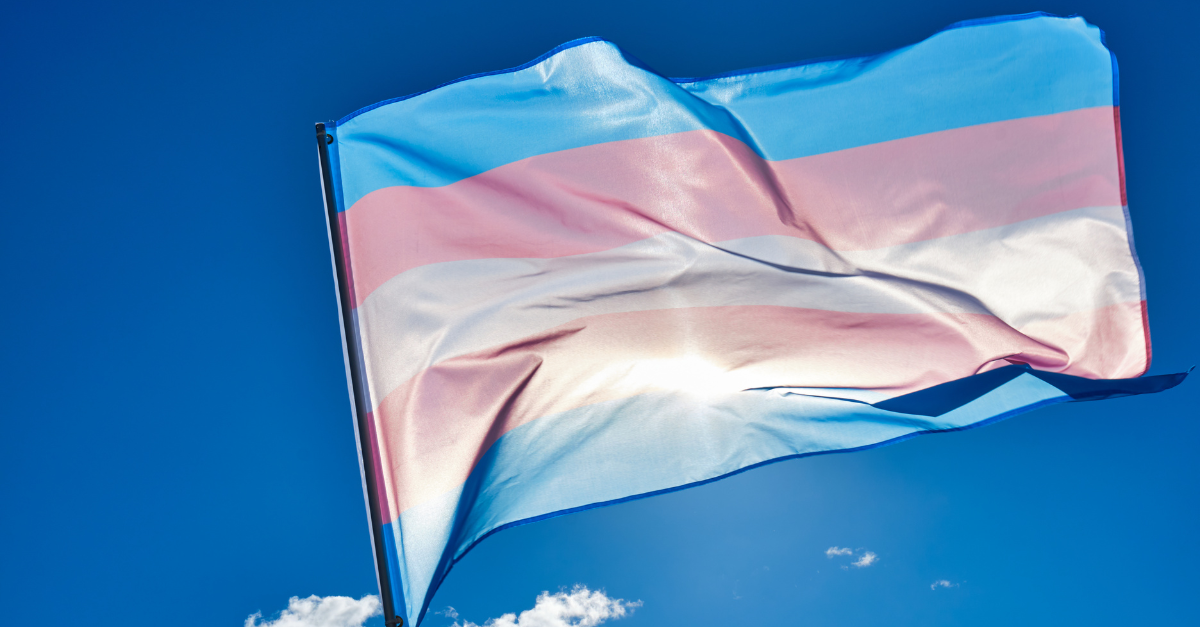
Trans flag waving against a blue sky.
June 24, 2025
Last week, the United States Supreme Court issued its decision in United States v. Skrmetti , which upholds a Tennessee law (SB1) banning gender-affirming medical care —such as puberty blockers and hormones— for transgender minors. In the 6–3 decision, the Court held that SB1 does not warrant heightened scrutiny under the Equal Protection Clause, despite its discriminatory targeting of transgender youth by explicitly permitting hormone treatments and gender-affirming care for youth who identify as cisgender, while denying the same care for youth who identify as trans. This ruling has the potential to reshape access to health care and marks a profound erosion of the Equal Protection clause as a tool for challenging laws that disproportionately affect women and other marginalized groups. Justice Sonia Sotomayor, in a searing dissent, laid bare the consequences of the Court’s refusal to confront the reality of this legislation: “[T]he majority refuses to call a spade a spade. Instead, it obfuscates a sex classification that is plain on the face of this statute, all to avoid the mere possibility that a different court could strike down SB1, or categorical healthcare bans like it. The Court's willingness to do so here does irrevocable damage to the Equal Protection Clause and invites legislatures to engage in discrimination by hiding blatant sex classifications in plain sight. It also authorizes, without second thought, untold harm to transgender children and the parents and families who love them. Because there is no constitutional justification for that result, I dissent.” As an organization committed to advancing gender equity under the law, NAWL stands with transgender individuals, families, advocates, and scholars who continue this long fight. The Court’s application of rational basis review to state laws targeting a specific “medical use” may also have far-reaching negative consequences on gender health equity more broadly, including access to reproductive care. NAWL calls on its members and allies to speak out, support impacted communities, and work toward a legal system rooted in dignity, equity, and justice for all. --- NAWL will continue the conversation at the 2025 Annual Meeting during the session, “ U.S. v. Skrmetti : The Future of Gender Equity in Healthcare,” featuring National Center for LGBTQ Rights Legal Director Shannon Minter and Executive Director of the Williams Institute Christy Mallory .
March 26, 2025
Bar Organizations’ Statement in Support of the Rule of Law CHICAGO, March 26, 2025 — We the undersigned bar organizations stand together with and in support of the American Bar Association to defend the rule of law and reject efforts to undermine the courts and the legal profession. In particular, as outlined by the ABA: We endorse the sentiments expressed by the chief justice of the U.S. Supreme Court in his 2024 Year End Report on the Federal Judiciary, “[w]ithin the past year we have also seen the need for state and federal bar associations to come to the defense of a federal district judge whose decisions in a high-profile case prompted an elected official to call for her impeachment. Attempts to intimidate judges for their rulings in cases are inappropriate and should be vigorously opposed.” We support the right of people to advance their interests in courts of law when they have been wronged. We reject the notion that the U.S. government can punish lawyers and law firms who represent certain clients or punish judges who rule certain ways. We cannot accept government actions that seek to twist the scales of justice in this manner. We reject efforts to undermine the courts and the profession. We will not stay silent in the face of efforts to remake the legal profession into something that rewards those who agree with the government and punishes those who do not. Words and actions matter. And the intimidating words and actions we have heard and seen must end. They are designed to cow our country’s judges, our country’s courts and our legal profession. There are clear choices facing our profession. We can choose to remain silent and allow these acts to continue or we can stand for the rule of law and the values we hold dear. We call upon the entire profession, including lawyers in private practice from Main Street to Wall Street, as well as those in corporations and who serve in elected positions, to speak out against intimidation. If lawyers do not speak, who will speak for our judges? Who will protect our bedrock of justice? If we do not speak now, when will we speak? Now is the time. That is why we stand together with the ABA in support of the rule of law. American Bar Association Alameda County (California) Bar Association Alexandria (Virginia) Bar Association Allegheny County Bar Association (Pennsylvania) Association of Professional Responsibility Lawyers Bar Association of Erie County (New York) Bar Association of Metropolitan St. Louis Berks County (Pennsylvania) Bar Association Boston Bar Association Boulder County (Colorado) Bar Association Chicago Bar Association Chicago Council of Lawyers Cleveland Metropolitan Bar Association Columbus (Ohio) Bar Association Connecticut Bar Association Contra Costa (California) County Bar Association Detroit Bar Association and Foundation Erie County (Pennsylvania) Bar Association First Judicial District Bar Association (Colorado) Hennepin County (Minnesota) Bar Association Hispanic National Bar Association Hudson County (New Jersey) Bar Association Illinois State Bar Association Kansas Bar Association Kansas City Metropolitan Bar Association Kansas City Metropolitan Bar Foundation Lawyers Club of San Diego Long Beach (California) Bar Association Louisville Bar Association Maine State Bar Association Middlesex County (New Jersey) Bar Association Milwaukee Bar Association Minnesota State Bar Association Monroe County (New York) Bar Association Nassau County (New York) Bar Association National Asian Pacific American Bar Association National Association of Women Lawyers National Conference of Bar Presidents National LGBTQ+ Bar Association National Native American Bar Association New Jersey Women Lawyers Association New Mexico Black Lawyers Association New York City Bar Association New York County Lawyers Association North County (California) Bar Association Board of Governors of the Oregon State Bar Passaic County (New Jersey) Bar Association Philadelphia Bar Association Queens County (New York) Bar Association Ramsey County (Minnesota) Bar Association San Diego County Bar Association San Fernando Valley (California) Bar Association Santa Clara County Bar Association (California) South Asian Bar Association of North America State Bar of New Mexico Virgin Islands Bar Association Board of Governors of the Washington State Bar Association Worcester County (Massachusetts) Bar Association

Advocacy Education & Programming Committee

This Committee leads NAWL’s work to inform, engage, and mobilize members around key advocacy issues aligned with NAWL’s mission. The committee develops and delivers educational programs—including webinars and panels—that deepen understanding of advocacy and inspire meaningful change to advance women in the legal profession and ensure equality for women under the law.

Recent Events

Louisiana v. Callais: Voting Rights and the Future of Our Democracy
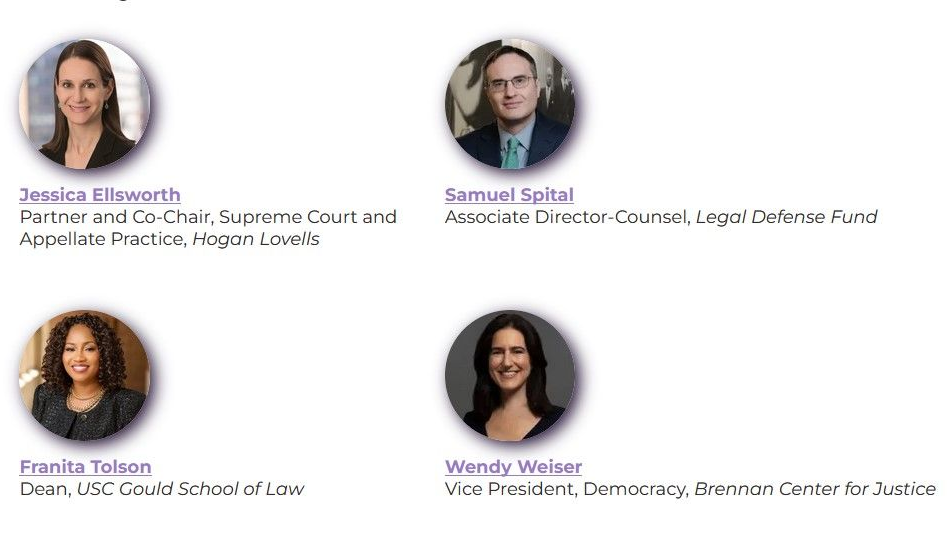
Panel at the 2026 Annual Meeting

Register here for the Annual Meeting, on July 22-23, 2026, in Chicago.

Speakers:

  • Jessica Ellsworth, Moderator (Partner and Co-Chair, Supreme Court and Appellate Practice, Hogan Lovells)
  • Samuel Spital (Associate Director-Counsel, Legal Defense Fund)
  • Franita Tolson (Dean, USC Gould School of Law)
  • Wendy Weiser (Vice President, Democracy, Brennan Center for Justice)

Immigration, Advocacy, and Action in L.A.:

Insights from Hydee Feldstein Soto
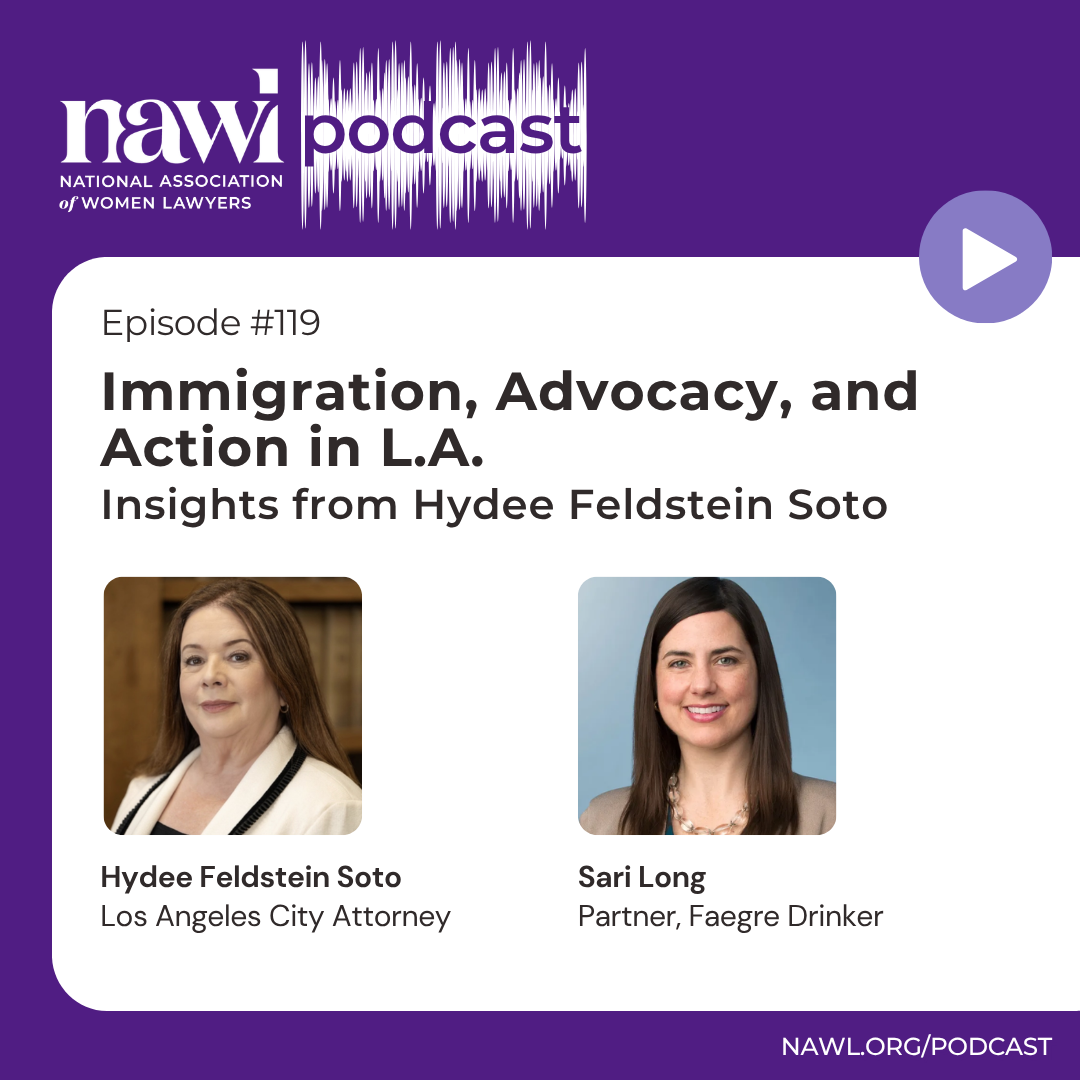
Podcast

Listen here or wherever you get podcasts.

Speakers:

  • Sari Long (Partner, Faegre Drinker, and Co-Chair, NAWL Advocacy Education & Programming Committee)
  • Hydee Feldstein Soto (Los Angeles City Attorney)

Reproductive Rights, Real Impact: Flory Wilson on Leading Change Post‑Dobbs
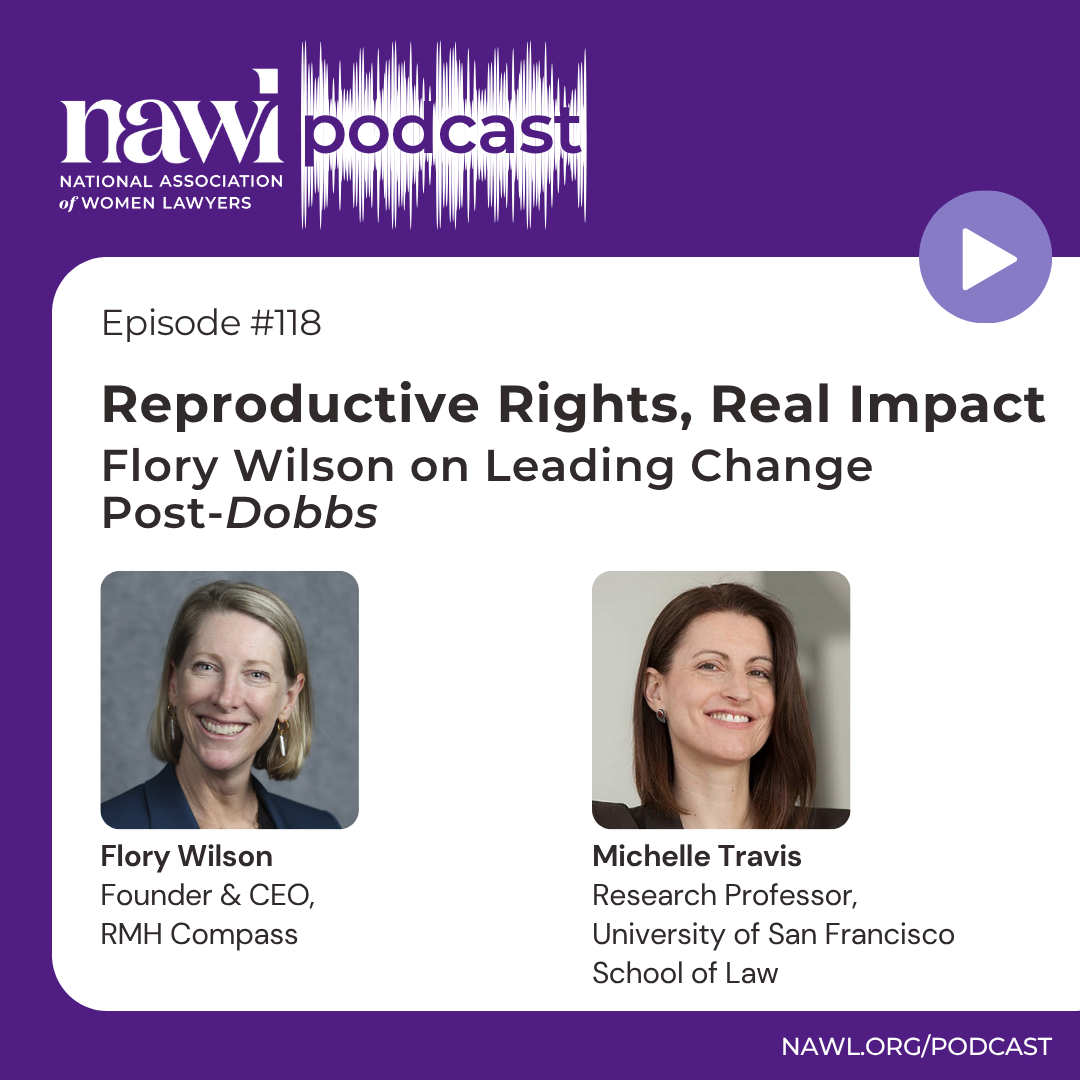
Podcast

Listen here or wherever you get podcasts.

Speakers:

  • Michelle Travis (Research Professor, University of San Francisco School of Law, and Co-Chair, NAWL Advocacy Education & Programming Committee)
  • Flory Wilson (Founder and CEO, Reproductive & Maternal Health Compass)

The Rule of Law in Focus:

A Conversation with

Marc Elias
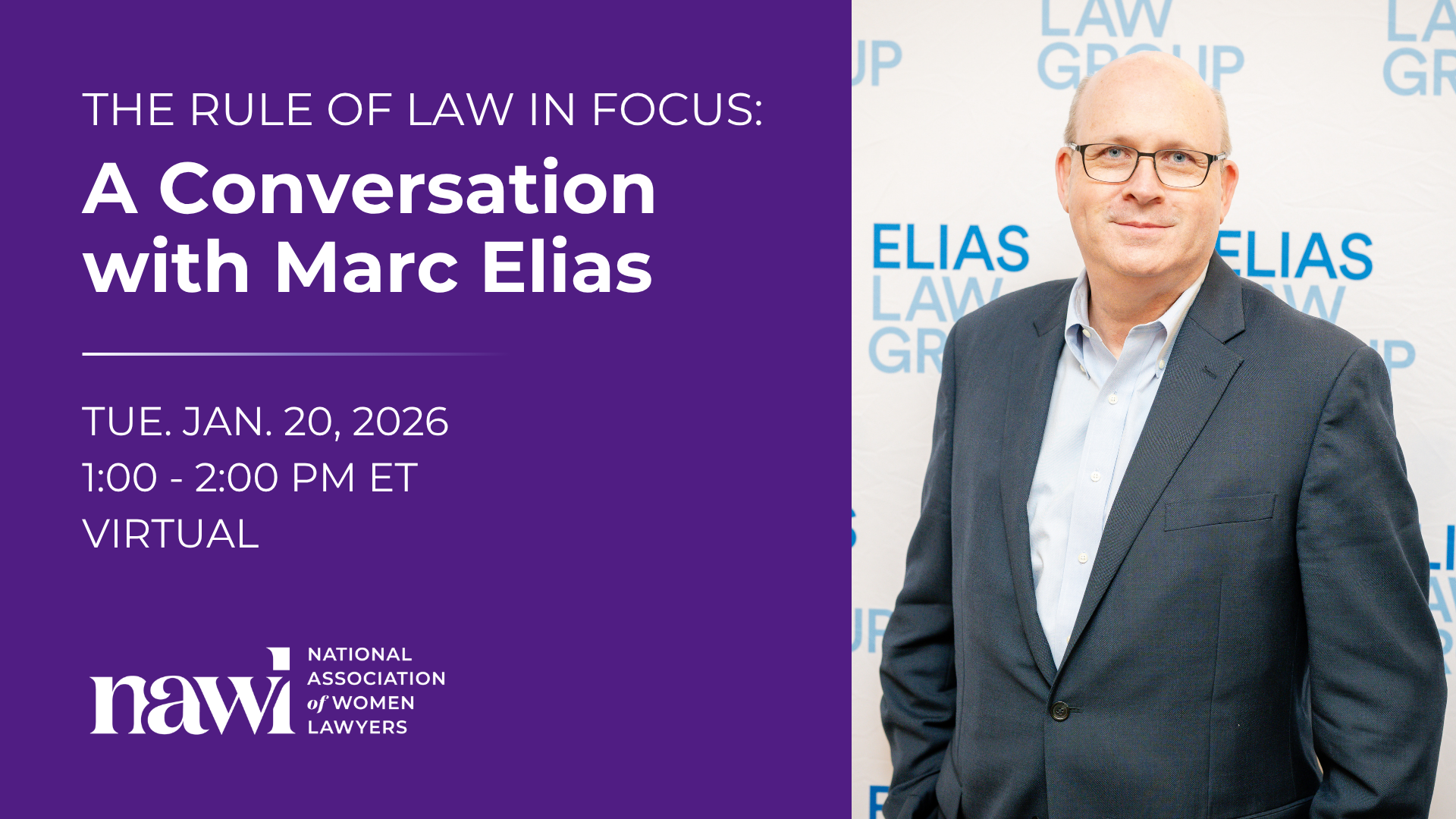
Webinar

Watch the member-exclusive recording.

(Become a member to watch and for access to more exclusive content.)

Speakers:

  • Marc Elias (Firm Chair, Elias Law Group, and Founder, Democracy Docket)
  • Tamela Merriweather, Moderator (Senior Vice President and Associate General Counsel, The Northern Trust Company)

U.S. v Skrmetti: The Future of Gender Equity in Healthcare
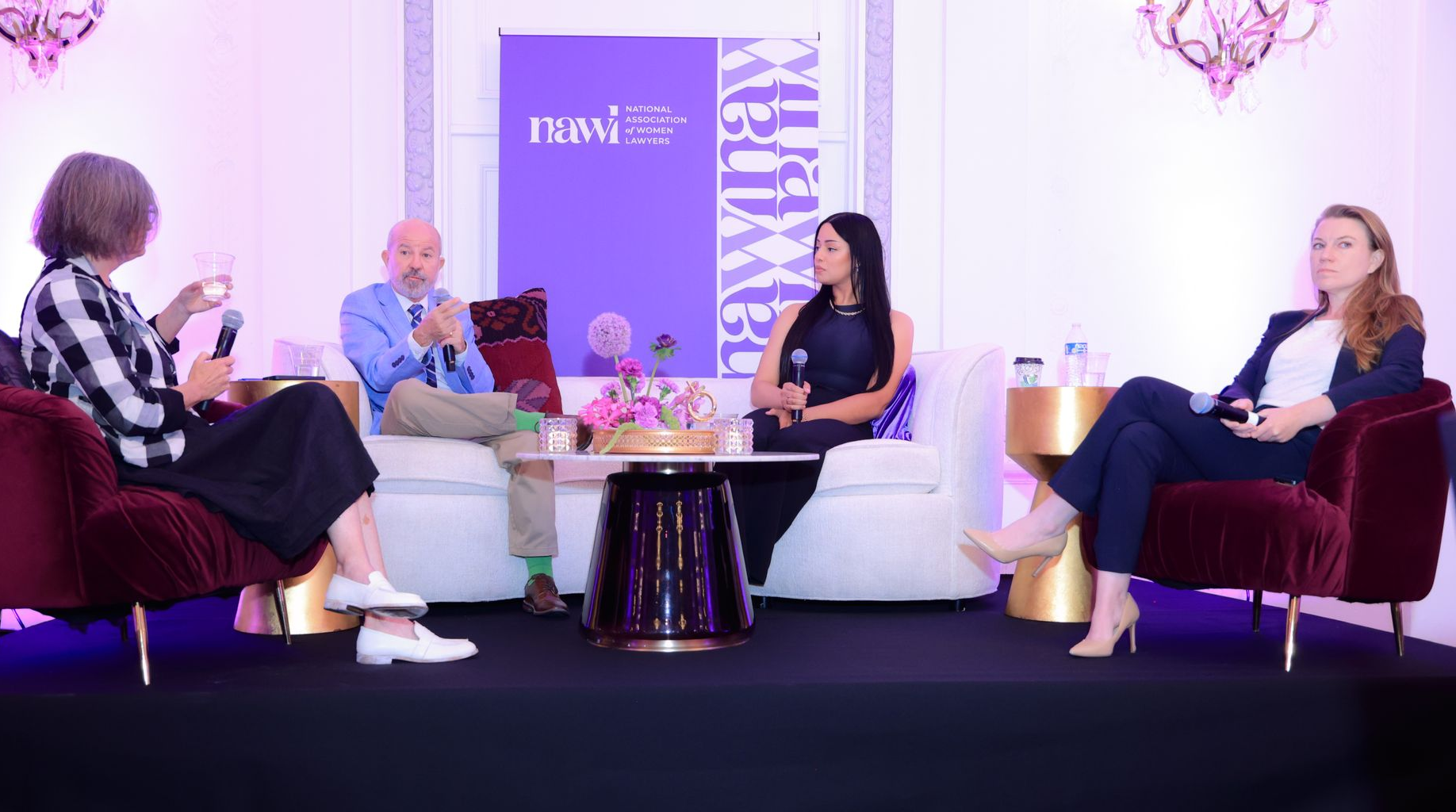
Panel at the 2025 Annual Meeting

Speakers:

  • Taylor Brown (Assistant Attorney General, Civil Rights Bureau, NY)
  • Christy Mallory (Executive Director, Williams Institute)
  • Shannon Minter (Vice President of Legal (Legal Director), National Center for LGBTQ Rights)
  • Carol Anderson, Moderator (Assistant General Counsel, Microsoft)

Democracy Begins Here: The Power of Participating in Local Politics
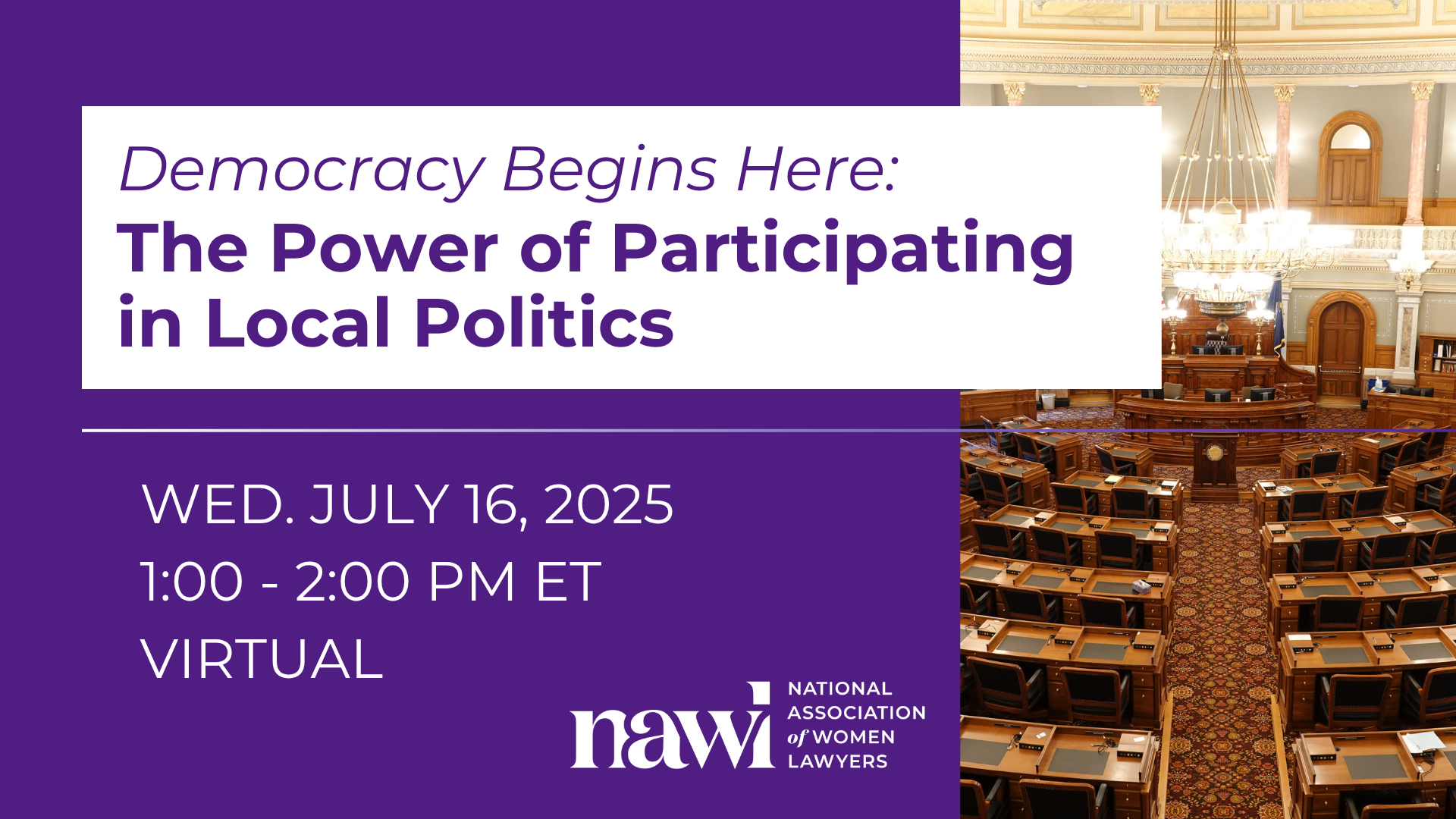
Webinar

Speakers:

  • Rep. Dr. Anna V. Eskamani (Member, Florida House of Representatives)
  • Betty Lieu (Governing School Board Member, Torrance Unified School District Board of Education)
  • Denise Tepler (Maine State Senator)
  • Hydee Feldstein Soto (Los Angeles City Attorney)

Amicus Committee

We put our mission into action by participating as an amicus curiae on legal cases. This Committee reviews opportunities to add amicus support in cases of interest to NAWL's mission.

Recent Briefs

March 30, 2026
Perkins Coie LLP v. U.S. Department of Justice
January 1, 2026
Doe v. Catholic Relief Services
December 17, 2025
Female Athletes United v. Ellison

Judicial Endorsement and Support Committee

This Committee aims to advance women in the judiciary by providing resources and support to NAWL members seeking judicial appointments and by conducting confidential, objective evaluations of federal judicial candidates based on established criteria.


Participation on the Judicial Endorsement and Support Committee is by invitation only.